Introduction
In today’s fast-moving digital world, businesses compete on more than just price or product quality. Customer experience has become the key factor that decides success or failure. This is where Customer Relationship Management (CRM) systems are important. CRM is not just a tool; it is a strategy that helps businesses understand, manage, and improve their interactions with customers. Over the years, CRM has changed from simple contact management systems to powerful platforms that bring together sales, marketing, and customer support. Today, businesses of all sizes, from startups to large companies, use CRM to improve efficiency, increase customer satisfaction, and boost revenue.This blog looks at how CRM affects modern businesses, why it is essential, and how companies can use it effectively.
What is CRM?
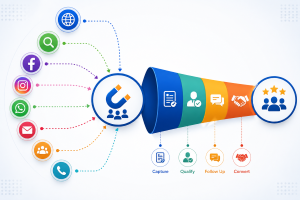
Customer Relationship Management (CRM) involves technology and practices that businesses use to manage and analyze customer interactions during the customer lifecycle. The goal is clear: build strong relationships, keep customers, and drive growth. A CRM system gathers data from various channels, including websites, emails, phone calls, and social media. This data helps businesses understand customer behavior, preferences, and needs.
Importance of CRM in Modern Business
1. Centralized Customer Data One of the biggest advantages of CRM is that it stores all customer information in one place. This includes contact details, purchase history, communication records, and preferences. Without CRM, businesses often struggle with scattered data across spreadsheets and emails. CRM removes this confusion and provides a single source of truth.
2. Improved Customer Experience Customers expect personalized experiences. CRM helps businesses understand their customers better and offer customized services. For example: - Personalized email campaigns - Product recommendations - Faster issue resolution When customers feel valued, they are more likely to remain loyal.
3. Better Communication CRM enhances communication within teams and with customers. Sales, marketing, and support teams can access the same information, which ensures consistent messaging. This reduces misunderstandings and improves coordination.
How CRM Affects Business Operations
1. Sales Automation
CRM automates many repetitive tasks in the sales process, such as:
- Tracking leads
- Sending follow-up emails
- Scheduling meetings
- Sales teams can focus more on closing deals instead of managing data.
2. Marketing Efficiency
CRM helps marketing teams create targeted campaigns based on customer data. Instead of sending the same message to everyone, businesses can segment their audience.Benefits include:
- Higher conversion rates
- Better engagement
- Reduced marketing costs
3. Customer Support Improvement
CRM systems provide support teams with complete customer history. This helps them resolve issues quickly and effectively. For example, if a customer calls with a complaint, the support team can instantly see previous interactions and offer better solutions.
The effect of CRM on a business's growth:
1. Enhanced Growth In Sales.
Using CRM can enable an organization to find new prospects and track how they become customers. This will allow a sales team to be able to complete deals faster and more effectively.
2. Retention Of Customers.
Acquiring a new customer is considerably more expensive than retaining an existing customer, so using CRM to establish good relationships with customers will result in higher customer retention.
3. Data-Driven Decision Making.
CRM will give a company many types of reports and analytics which provide critical insights that the organization can use to make decisions from actual data rather than making assumptions about the performance of its business.
Industries Using CRM :
1. Retail Stores
CRM is utilized by retail stores to understand customer purchasing and preferences. The information collected from these two categories allows the retailer to offer customized promotions that can enhance customer satisfaction.
2. Banks and Financial Institutions
Banks and other financial institutions use CRM systems for managing customer relationships, tracking customer transactions, and providing improved financial advice to customers.
3. Health Care Facilities
Hospitals use CRM systems to keep track of patient records, appointments, and communicate with patients in an effort to improve the quality of patient care.
4. Information Technology and Software Companies
IT industries implement many different functions of the CRM system, such as managing good leads, tracking projects, and building a successful relationship with customers.
Some of the challenges businesses face when using CRM (Customer Relationship Management) systems are:
1. Cost of Implementation
Small businesses can face high costs on the implementation of jlarge scale systems.
2. Training for Users
Comprehensive training of employees on how to use CRM in order for them to be effective users of the system is helpful to the success of user adoption of the software.
3. Security of Data
Businesses must successfully manage the security of their customer's private information.
The future of CRM will be determined by the following advanced technologies:
1. Artificial Intelligence
The use of AI tools in CRM allows prediction & recommendations based on previous customer activity.
2. Automation
Automation will dramatically reduce the amount of manual input for CRM users, increasing efficiency and productivity.
3. Integration
CRM systems will provide end users with a single, comprehensive marketplace for their entire sales process via integration with other applications, including social networks & chatbots.
- The Importance of Customer Relationship Management to Organizations Now
- There are many reasons why CRM cannot be ignored in the competitive environment of today. Customers have become accustomed to fast service, personal attention, and seamless services from service providers. Organizations using CRM properly are able to:
- Develop Better Relationships
- Increase Customer Loyalty
- Improve Operational Efficiency
- Create Long-Term Sustainable Growth
Conclusion
Customer Relationship Management (CRM) has emerged as an integral component of cubetechworld business strategies. It allows the organization to better understand their clients, improve communication, spur growth by utilizing CRM effectively to achieve competitive advantage.
CRM is radically changing the way small businesses as well as large corporations operate and compete in today's marketplace. Businesses that use the "right" CRM system effectively can develop and maintain a customer oriented culture from which to do business.
As a conclusion to this article, I encourage you to view CRM not only as a tool but also as a strategy for creating and developing sustainable and profitable relationships with existing customers.
.webp)